
What Is Paraffin Wax Made Of?
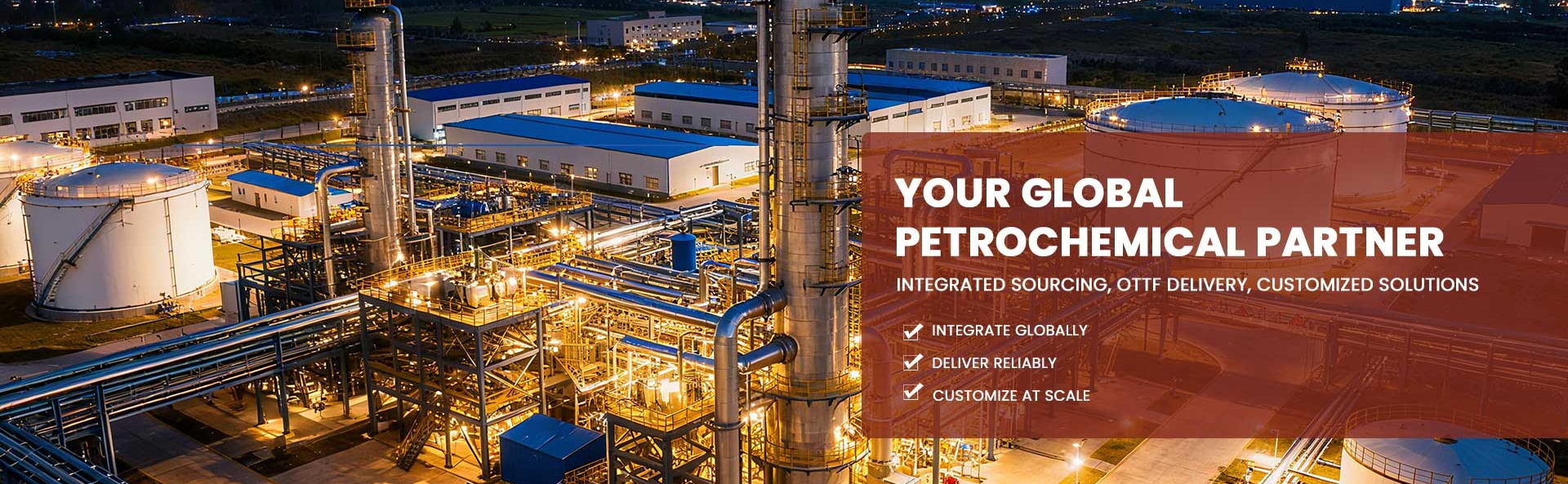
Paraffin wax is a soft, colorless solid derived from petroleum, coal, or oil shale. It is one of the most commonly used waxes in household, cosmetic, and industrial applications due to its clean-burning nature and versatility. The composition and production process of paraffin wax determine its texture, melting point, and performance characteristics.
Table of Contents
Composition of Paraffin Wax
Paraffin wax is primarily composed of a mixture of saturated hydrocarbons known as n-alkanes, typically ranging from C20 to C40 in molecular structure. These hydrocarbons are long-chain molecules that crystallize into a solid at room temperature and melt when heated.
| Component | Description | Typical Percentage |
|---|---|---|
| n-Alkanes (C20–C40) | Straight-chain saturated hydrocarbons responsible for wax structure and stability | 70–90% |
| Isoalkanes | Branched hydrocarbons that improve flexibility and prevent brittleness | 5–15% |
| Cycloalkanes | Ring-shaped hydrocarbons adding hardness and thermal stability | 2–10% |
| Trace Oils | Residual mineral oils improving smoothness and workability | 1–5% |
This balanced composition makes paraffin wax easy to mold and blend with other additives for specialized uses.
How Paraffin Wax Is Produced
The process of producing paraffin wax involves refining and purification steps that separate it from crude oil. The general process includes:
Crude Oil Distillation Crude oil is heated and separated into different fractions. The heavy lubricating oil fraction contains waxy substances that will later become paraffin wax.
Dewaxing Process The waxy fraction is cooled to solidify the wax crystals. Solvents like methyl ethyl ketone (MEK) or toluene are often used to assist in the separation process.
Filtration and Separation The solid wax is separated from the oil through filtration or centrifugation, leaving behind a semi-solid substance.
Hydrotreating and Refining The crude wax undergoes hydrotreatment, where hydrogen is used to remove impurities such as sulfur, nitrogen, and aromatics. This step enhances color, odor, and purity.
Solidification and Molding Finally, the refined wax is melted, filtered again, and cooled into slabs, pellets, or granules for packaging and distribution.
Grades of Paraffin Wax
There are different grades of paraffin wax depending on the level of refinement and oil content:
| Grade | Oil Content | Appearance | Applications |
|---|---|---|---|
| Fully Refined | <0.5% | White, odorless, high purity | Cosmetics, food coating, candles |
| Semi-Refined | 0.5–1.5% | Slightly yellow or translucent | Packaging, matches, crayons |
| Slack Wax | 3–10% | Oily, low refinement | Raw material for further processing |
The grade selection depends on the end-use requirements, such as purity, hardness, and melting temperature.
Key Characteristics
Paraffin wax exhibits several key physical and chemical properties that make it a preferred material across industries:
Melting Point: Usually between 46°C and 68°C, depending on chain length.
Density: Approximately 0.9 g/cm³, giving it a lightweight structure.
Flash Point: Around 199°C, which ensures safe use in controlled environments.
Water Resistance: Non-polar hydrocarbons make it highly resistant to moisture absorption.
Chemical Inertness: Paraffin is stable and non-reactive under normal conditions.
These characteristics make paraffin wax suitable for applications in candle making, waterproof coatings, electrical insulation, and as a lubricant or sealant.
Environmental and Industrial Considerations
Modern paraffin wax production focuses on sustainability and purity. Refiners are adopting low-sulfur feedstocks and closed-loop solvent recovery systems to minimize emissions. Although paraffin wax is derived from nonrenewable petroleum, its long shelf life and recyclability help reduce overall waste. In industrial applications, paraffin is often blended with bio-based waxes to enhance environmental performance while maintaining efficiency.
Conclusion
Paraffin wax is fundamentally a product of refined petroleum hydrocarbons, primarily long-chain alkanes that form a smooth, clean-burning solid. Through a multi-stage refining process, it achieves the purity and consistency required for various industries—from household candles to pharmaceutical coatings. Its balance of stability, moldability, and cost-effectiveness ensures that paraffin wax remains one of the most important materials in both everyday and industrial use.
Previous: What Does Paraffin Wax Do?